Outdoor Spaces That Handle Seasonal Wear
Property Refresh Services in Portland for landscape beds losing coverage, pathways settling, and yards accumulating debris
Mulch compacts and thins out after a winter of rain and freeze cycles, gravel migrates and embeds into soil, and seasonal storms leave branches and debris scattered across property lines. The Haulfather Junk Removal handles property refresh work across Portland, delivering materials like mulch, gravel, topsoil, and compost while removing yard debris, brush, and storm damage that accumulates between maintenance cycles. When landscape beds show bare soil patches and pathways no longer provide clean separation, these services restore functional coverage and remove what weather leaves behind.
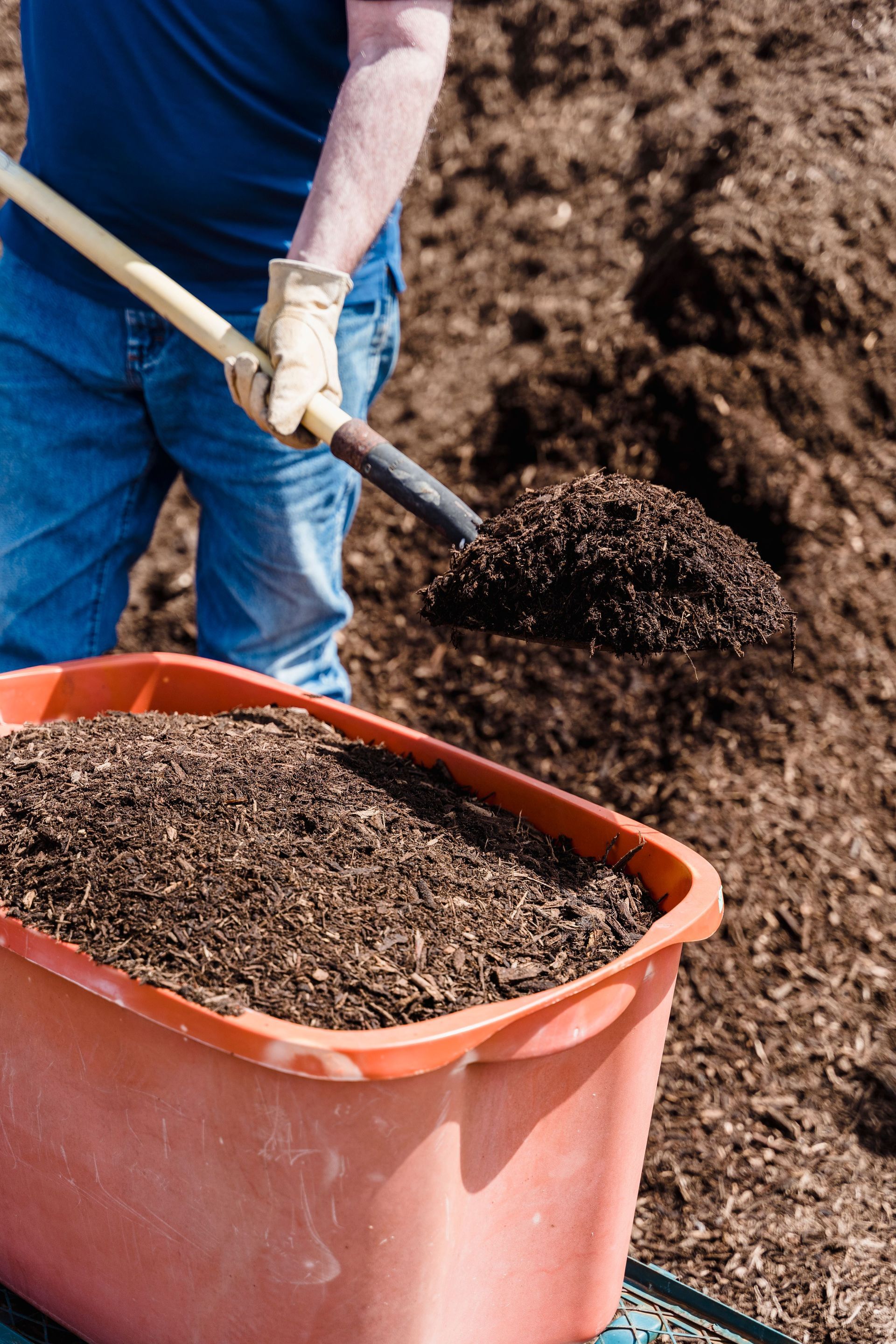
Property refresh work addresses the wear that happens between seasonal plantings—mulch that no longer suppresses weeds, gravel that no longer drains properly, and organic matter that builds up faster than weekly maintenance can handle. Mulch spreading refills existing beds to restore the two-to-three-inch depth that prevents weed germination and holds moisture during dry months. Gravel refresh removes compacted stone, grades the surface, and adds new material to restore drainage function in pathways and decorative areas.
Schedule a property evaluation to identify which beds need material replenishment and what debris requires removal.
What Actually Happens During Material Delivery and Debris Removal
Material delivery involves hauling bulk mulch, gravel, topsoil, or compost to your property and spreading it where existing coverage has thinned or settled below functional depth. Mulch gets spread evenly across landscape beds to restore the layer that blocks light from reaching weed seeds. Gravel gets raked and leveled to reestablish clean edges and proper drainage slopes. Topsoil fills low spots where settling has created uneven grade, and compost gets worked into planting areas before seasonal rotations.
After material placement, you'll notice beds with consistent color and depth, pathways with defined borders, and soil that drains without pooling or washing out during heavy rain. Debris removal clears fallen branches, storm-damaged limbs, and accumulated brush that block mowing paths or create fire hazards near structures. Yard debris hauling removes what seasonal cleanup generates—hedge trimmings, pruned branches, and organic waste that exceeds curbside collection limits.
Storm cleanup focuses on removing what wind and ice leave behind: broken limbs, uprooted vegetation, and scattered organic material that needs clearing before standard maintenance resumes. Brush hauling handles larger woody debris that doesn't break down quickly in compost piles and creates trip hazards or pest habitat when left in place.
Questions About Refreshing Property Materials and Clearing Debris
Portland properties cycle through wet winters that compact mulch and wash out gravel, followed by dry summers that expose soil and accelerate organic breakdown. These questions address how material delivery and debris removal restore coverage and clear accumulated waste.
What does mulch spreading involve for existing landscape beds?
Mulch gets spread across beds to restore two-to-three-inch depth, which blocks sunlight from reaching weed seeds and retains soil moisture during extended dry periods common in Portland summers.
How does gravel refresh differ from initial installation?
Gravel refresh removes embedded stone, rakes the surface to reestablish grade, and adds new material to restore the loose layer that allows water to drain through rather than pool on compacted surfaces.
When should topsoil delivery happen for low spots?
Topsoil fills areas where settling has created depressions that collect water after rain, and it should be placed before planting seasons to allow time for compaction and integration with existing soil.
What gets removed during yard debris hauling?
Yard debris hauling clears branches, hedge trimmings, leaf accumulation, and pruned vegetation that exceeds what weekly yard waste collection handles, preventing buildup that attracts pests or creates fire risk near structures.
How does storm cleanup address wind and ice damage?
Storm cleanup removes broken limbs, split branches, and uprooted vegetation scattered across yards and pathways, clearing hazards and organic material before decomposition creates pest habitat or mowing obstacles.
The Haulfather Junk Removal delivers materials that restore landscape function and removes debris that accumulates faster than standard maintenance cycles handle. Request a consultation to review which beds need material replenishment and what storm or seasonal debris requires clearing from your property.